7 psychological tricks that will double your sales
Hey, let us figure out how to make a website sell using simple and sly psychological tricks! These things are not about manipulation but about subtle hints and little magic triggers that help the client feel more confident and inspire them to buy. Now I will show how it works, and, of course, with examples!
1. Scarcity and urgency
People are like that: as soon as something is running out, we immediately want to take it! Make the product a “rarity” or an urgent purchase — and clients are already afraid of missing the chance.
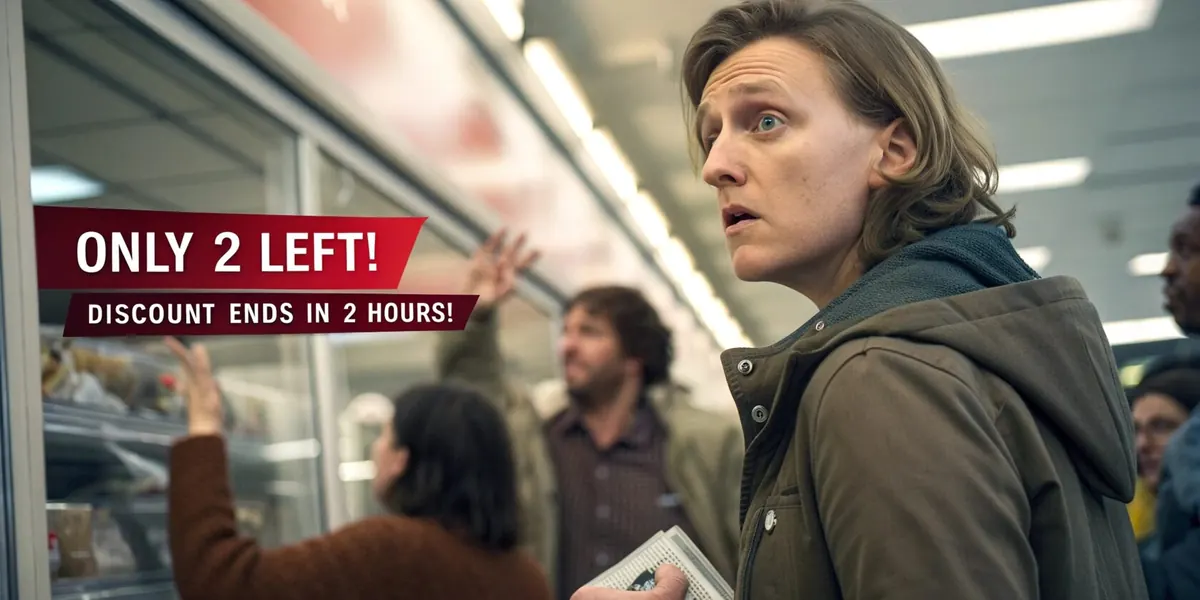
- Example: “Only 2 left! Hurry!” (Oh, you immediately want to buy — all we needed was for someone else to snatch it.)
- Another example: Turn on a timer for a promotion — let it tick and remind that the discount is not forever!
2. Social proof
People always doubt until they see that someone else has already bought it and is happy. Put reviews and ratings in a prominent place and, of course, proudly announce: “Bought more than 1000 times!”

- Example: “This coffee maker was chosen by 1500 happy clients” — and right away you do not feel like the only one who wants tasty coffee.
- Another example: Make a pop-up “Someone in Saratov just bought this product” — other clients will feel that the trend is going and they are taking part in it too.
3. The principle of reciprocity
You know how it goes — you treat a friend to coffee, and later they will pay for you too. In sales it works the same way: if you give the client something, they will be more willing to come back and buy something.
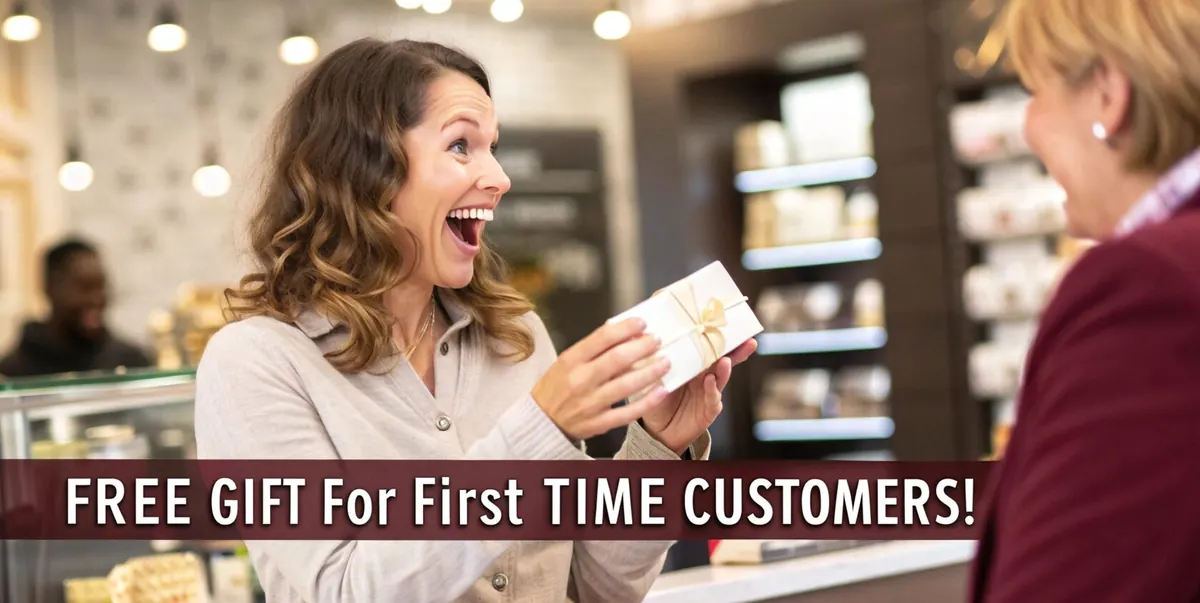
- Example: A free trial version — the client is already “in the topic” and feels they should respond.
- Another example: A gift for the first purchase or a discount. You just want to take the item — and a gift comes with it!
4. The principle of authority
When a client sees that a product is approved or recommended by someone cool, it affects trust. Show certificates, reviews from well-known experts, award logos and so on. Everyone loves good authority!

- Example: “This cream is recommended by leading dermatologists” — you immediately think it will have the right effect!
- Another example: Media logos on the website — like, we were written about in Forbes and other cool publications!
5. Attachment and emotional connection

This is as easy as it gets: tell your story. Make clients know you and feel you are not just a seller but “one of their own”.
- Example: An “About us” section where everything is as it is, with photos of the team, without pomp, so that clients see: these are people in front of them.
- Another example: Personalized offers. Let the client receive a recommendation for something they viewed before.
6. Psychological price
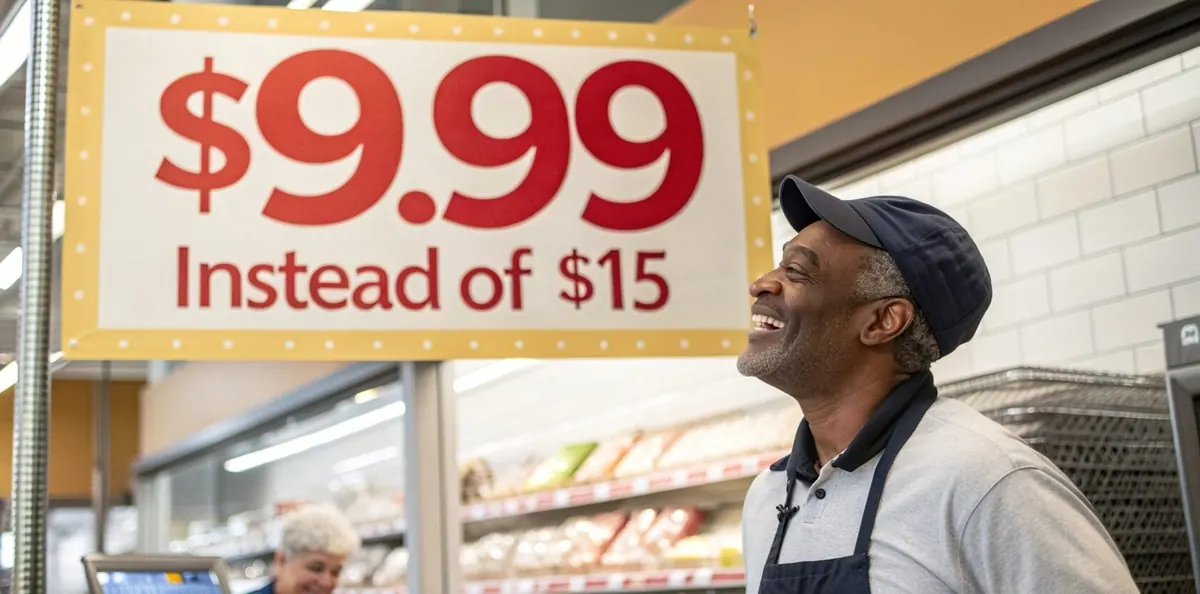
We all react subconsciously to the magic nine. Really, $9.99 seems an order of magnitude cheaper than $10, even if the difference is just one cent!
- Example: A price of $9.99 instead of $10 — a classic!
- Another example: Showing the “old” price and next to it the new, discounted one — this works wonders.
7. Consistency and commitment
If you have started a process, be so kind as to finish it. As soon as a client has filled in the first step of the order form, the likelihood that they will want to complete the purchase grows. The main thing is not to overload the process.

- Example: A step-by-step order form — each step is like a small victory and closer to the purchase.
- Another example: Email reminders that the item has stayed in the cart. Like, “Hey, do not forget about your wish!”
Conclusion
These psychological tricks work like magic, yet they are simple, honest and draw the buyer into sincere interaction. After all, everyone likes it when we are spoken to warmly and offered clear things. The client feels cared for — and happily buys!


